Week 7 Neuroscience and Art
This week’s topic of neuroscience was particularly interesting to me because of the many moral and ethical implications that come with analyzing and tampering with something like basic neurological function. I was very taken in by the long history of philosophers and doctors in their attempts to decipher the human consciousness, and did not realize that modern studies of the brain have only been ongoing for a bit over a hundred years.
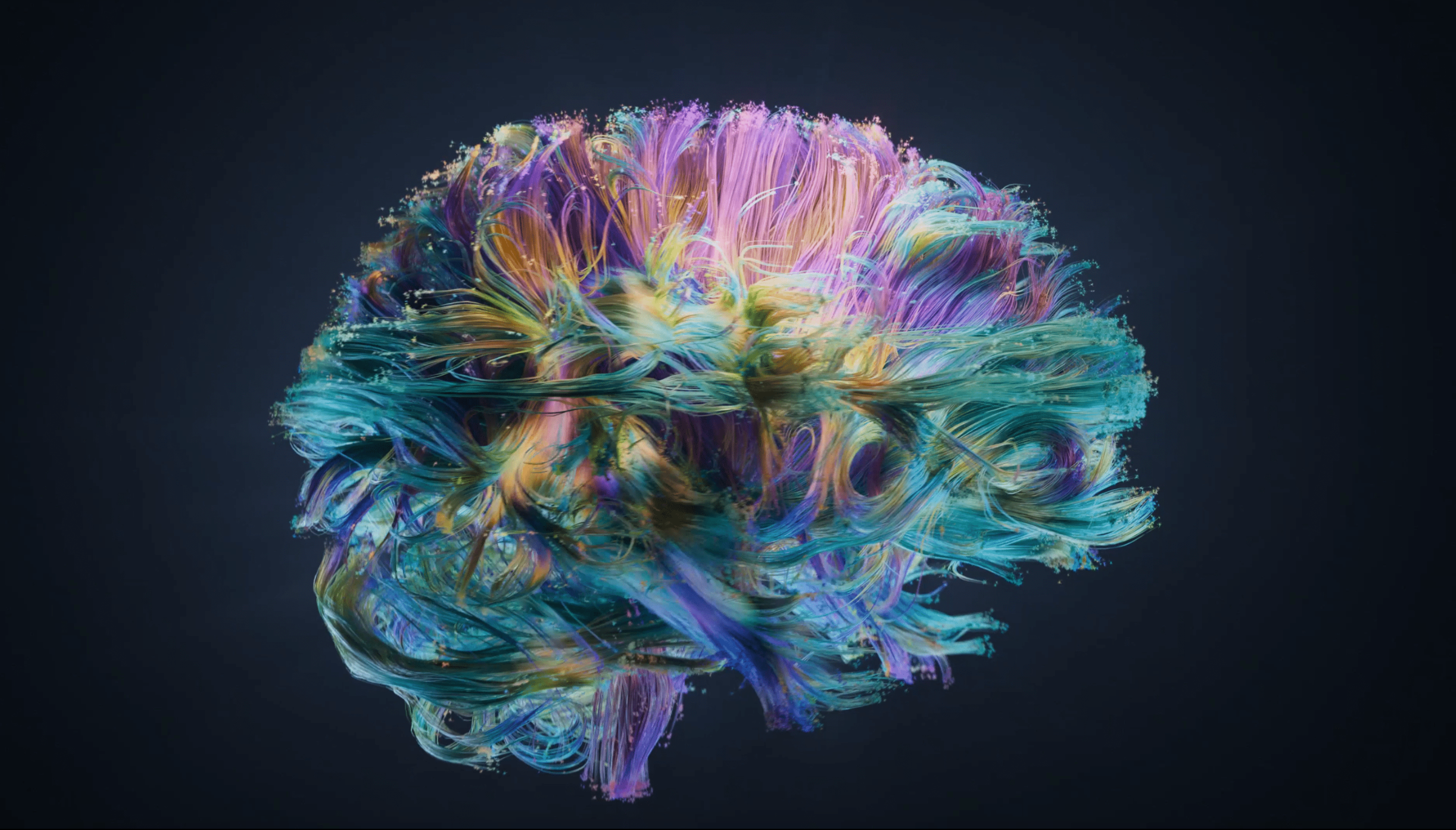 |
When learning about phrenology, it was amusing to see the different conclusions people came up with before they had any real understanding of the human brain. In this day and age, nobody would think that bumps on one’s head would be indicative of any sort of expressible personality trait. However, this thought of separating the brain into multiple parts responsible for different things turned out to be on the right track.
The moral and ethical dialogue involving neuroscience is brought up when the thought is carried to purposes outside of purely medical practice. Though neuroscience is undeniably beneficial to society as a whole in terms of issues regarding mental diseases and disorders, there will always be attempts to exceed the boundaries of what is possible and what should be allowed, and this is where neuroscience can become a tool of controversy for the general public. This week, I attended the watch party for Eternal Sunshine of the Spotless Mind, which explored the possibility of memory erasure. The implications of such a technique are fully revealed in the extremely disturbing effects on the consciousness of the main character. The emotional and psychological trauma is not something that we should willingly introduce into our society, despite the potential benefits.
 |
| "I wanna call it off!" |
The experimentation of psychedelic substances on humans to study the effects of such drugs is also a practice that serves an unnecessary harm to millions of people. The government’s history of experimentation in order to research developments in neurological science such as mind control are unethical practices that call into question the dangers of living with such possibilities. If we continue to experiment with tremendous potential for dangerous mistakes, we will constantly be one step away from an irreversible outcome.
 |
| The CIA's mind control experimentations |
Vesna, Victoria. “Neuroscience-pt1.Mov.” YouTube, UCOnline, 17 May 2012, youtu.be/TzXjNbKDkYI.
Gondry, Michel. Eternal Sunshine of the Spotless Mind. Focus Features, 2004.Gross, Terry. “The CIA's Secret Quest For Mind Control: Torture, LSD And A 'Poisoner In Chief'.” NPR, NPR, 9 Sept. 2019, www.npr.org/2019/09/09/758989641/the-cias-secret-quest-for-mind-control-torture-lsd-and-a-poisoner-in-chief.Cohen, Mark. “Neuroscience-Mark Cohen.mov.” YouTube, Victoria Vesna, 12 May 2012, www.youtube.com/watch?v=eDq8uTROeXU.Calderón, Andrew R. “A Dangerous Brain.” The Marshall Project, The Marshall Project, 15 Aug. 2018, www.themarshallproject.org/2018/08/14/a-dangerous-brain.


Comments
Post a Comment