Event 2 Eternal Sunshine of the Spotless Mind
This week I attended the watch party for Eternal Sunshine of the Spotless Mind, the 2004 film exploring the concept of memory erasure. Eternal Sunshine of the Spotless Mind is a movie I have heard and seen a lot about but never really got around to watching it, and I was glad to have the opportunity to watch it for class. Though I really enjoyed the pacing of the story and the developments, I think I should write more about the connections between the movie’s fictional technological use and this week’s topic, neuroscience and art.
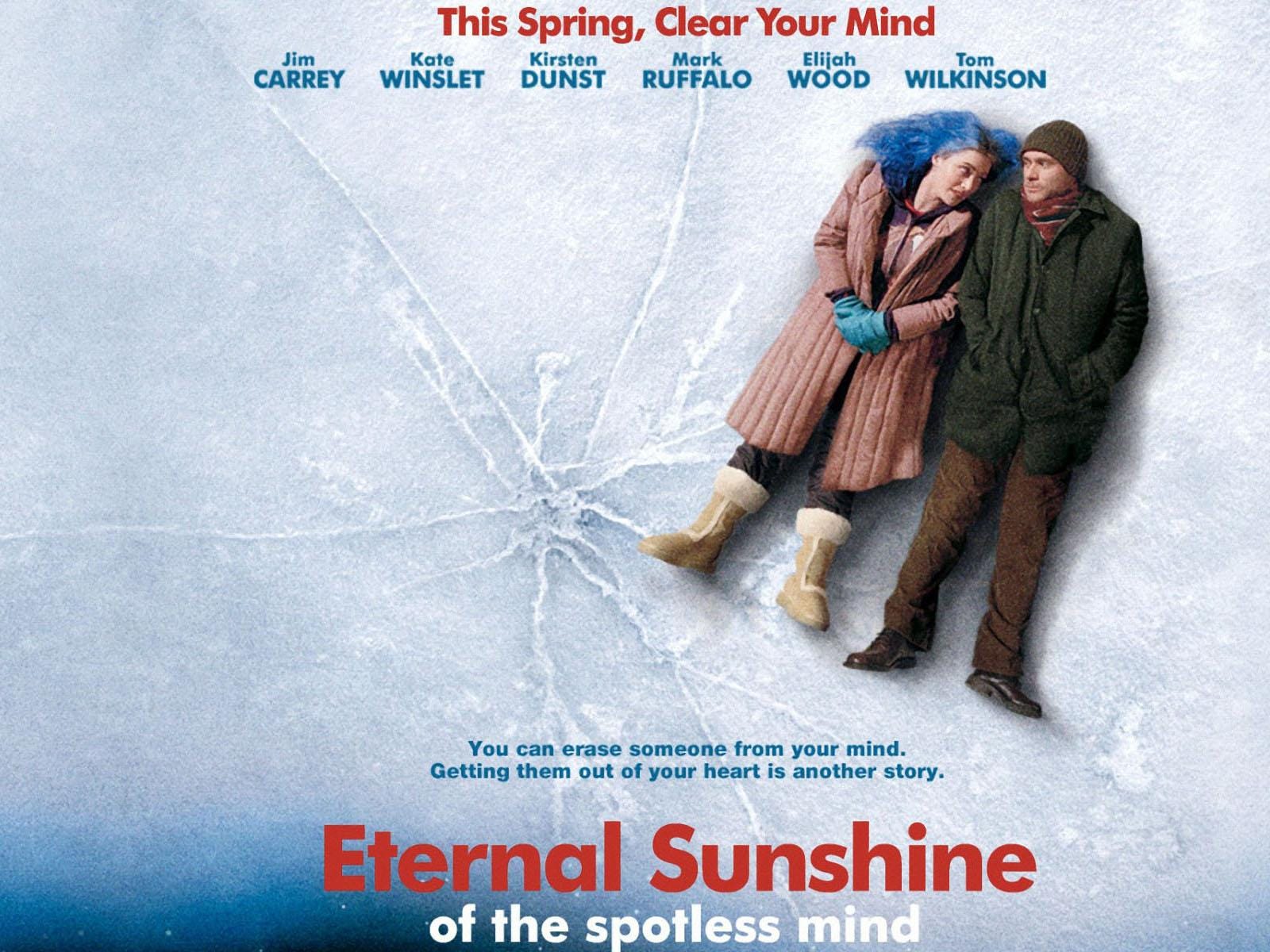
In Eternal Sunshine of the Spotless Mind, the female main character, Clementine, decides to willingly erase her memories after going through a rough breakup. After she receives her procedure, the male main character, Joel, meets her and is horrified that she seems to have no recollection of him. This week’s topic of neuroscience was heavily centered around the ethics of tampering and tweaking with one’s brain function, and the artform that is this movie is clearly no exception. The psychological damage on Joel is fully displayed in his confusion and despair, and finally desperate attempt to wipe his own memory to escape reality.
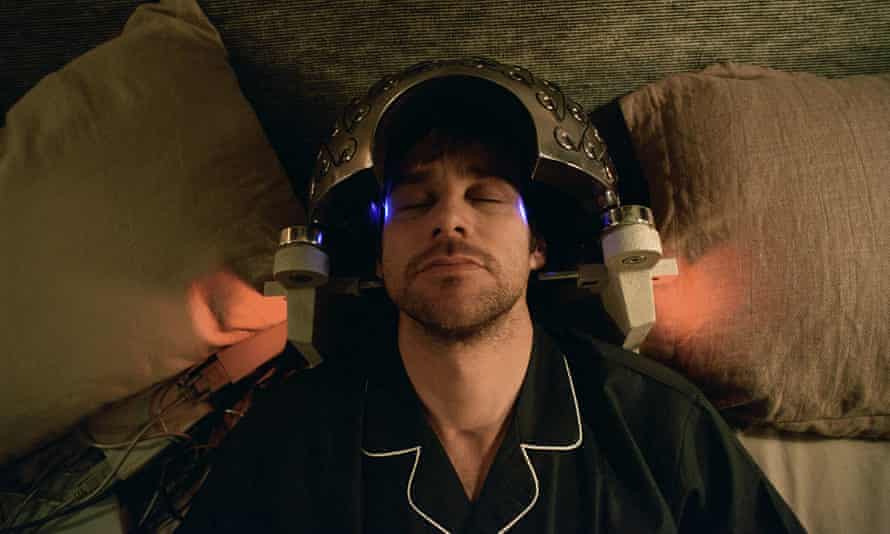 |
| Joel undergoing the procedure |
Though some people may be inclined to believe that particular memories are better off forgotten, Eternal Sunshine of the Spotless Mind calls into question the moral concerns about such practices when undertaken by the wrong people. This is evidenced by the careless handling of the technicians erasing Joel’s memory, and the abusive manipulation of doctor Howard and the other technician Patrick. Mary, the doctor’s assistant, quotes Nietszche and Pope throughout the movie: “How happy is the blameless vestal's lot! The world forgetting, by the world forgot. Eternal sunshine of the spotless mind! Each pray'r accepted, and each wish resign'd”; and “Blessed are the forgetful: for they get the better even of their blunders”. However, she eventually discovers that her memory has been wiped before as well. When weighing the pros and cons of such a neurological possibility in real society, I am more of a pessimistic thinker and believe that we should not go too far with things that we may not be able to take back.
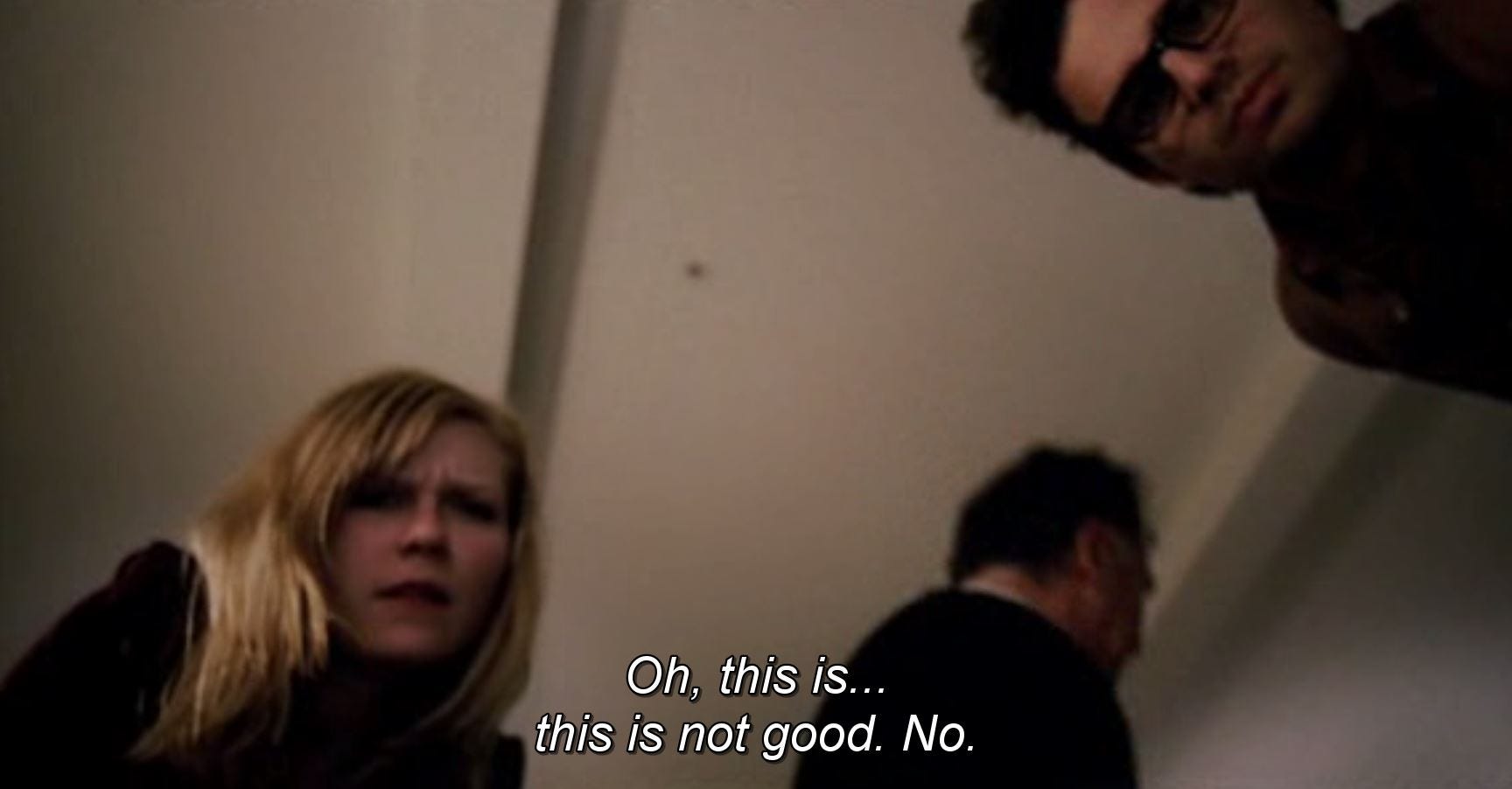 |
| Not something you'd want to hear from somebody erasing your memories |
Carlin, Shannon. “An 'Eternal Sunshine Of The Spotless Mind'-Like Memory Erasure Isn't As Far Off As You Might Think, According To Scientists.” Bustle, Bustle, 19 Mar. 2019, www.bustle.com/p/eternal-sunshine-of-the-spotless-mind-like-memory-erasure-isnt-as-far-off-as-you-might-think-according-to-scientists-16961931.
Gondry, Michel. Eternal Sunshine of the Spotless Mind. Focus Features, 2004.Wells, Sarah. “Can Decoded Neurofeedback Erase Our Bad Memories?” Inverse, Inverse, 2 May 2021, www.inverse.com/innovation/can-you-erase-memories.
Costandi, Mo. “Bad Weekend? How Injecting a Virus into the Brain Could Wipe Your Memory | Mo Costandi.” The Guardian, Guardian News and Media, 21 Aug. 2017, www.theguardian.com/commentisfree/2017/aug/21/nightmare-weekend-remove-bad-memories-step-closer.
Kam, Charing. “Why You Should Watch: Eternal Sunshine Of The Spotless Mind.” Medium, Movie Time Guru, 19 June 2018, movietime.guru/why-you-should-watch-eternal-sunshine-of-the-spotless-mind-7028ce56b894.
E, Tommy. “Eternal Sunshine of the Spotless Mind Is a Realistic Love Story.” Medium, Cloud Walkers, 24 Apr. 2017, medium.com/nefelibata-online/eternal-sunshine-of-the-spotless-mind-2004-48874946407a.


Comments
Post a Comment